

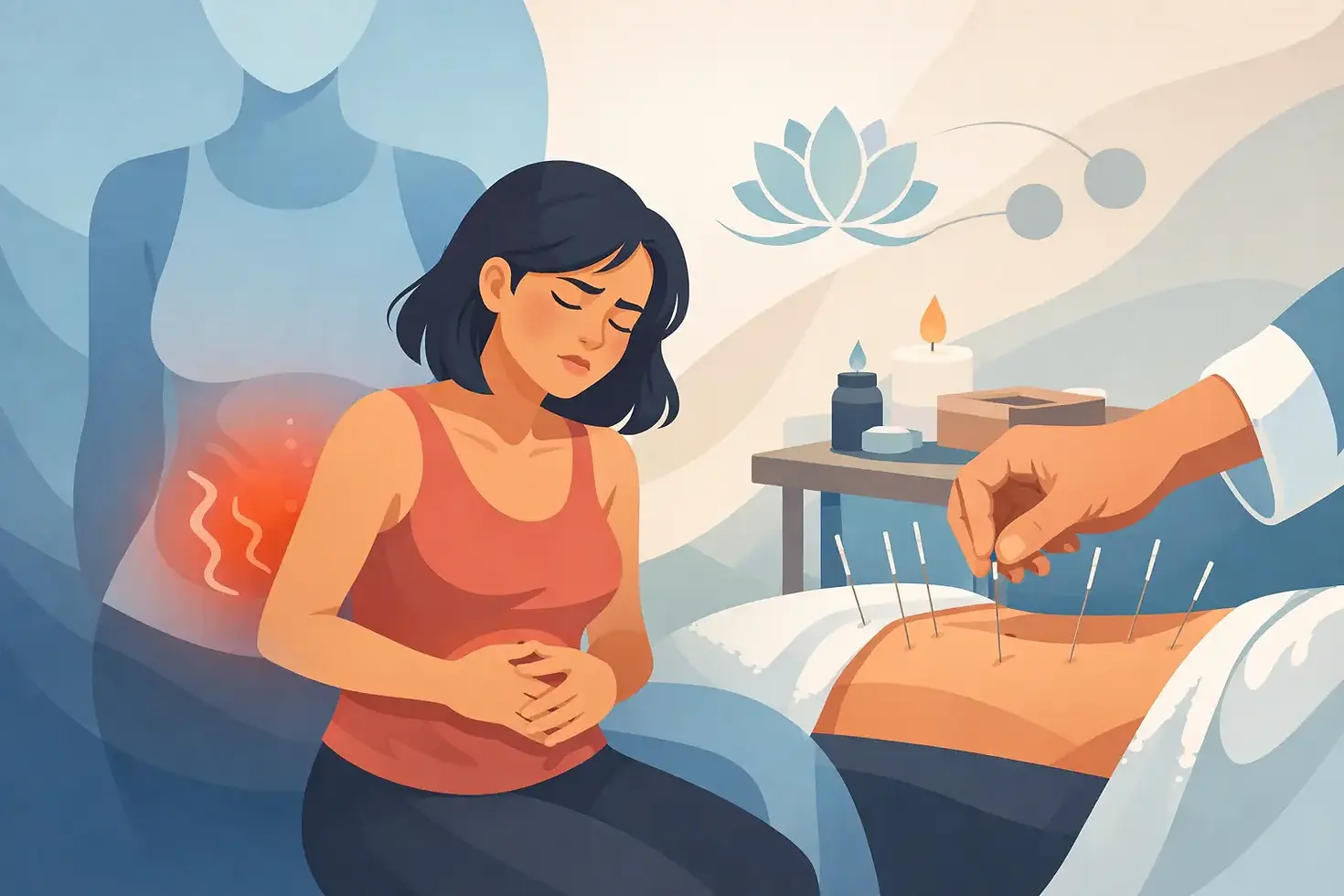
Does Acupuncture for Menstrual Cramps Help?
When cramps take over your lower abdomen, back, mood, and energy all at once, it does not feel like a small monthly inconvenience. For many women, acupuncture for menstrual cramps becomes worth considering when heating pads, rest, and over-the-counter pain relief are no longer enough - or when they want a more natural way to manage recurring pain.
Menstrual cramps can look different from person to person. Some feel a dull ache for a day. Others deal with sharp, gripping pain, nausea, headaches, fatigue, bowel changes, or pain that starts before bleeding and lingers well into the cycle. That difference matters, because treatment should not be one-size-fits-all.
How acupuncture for menstrual cramps may help
From a Western perspective, menstrual cramp pain is often linked to prostaglandins, hormone-like compounds that trigger uterine contractions. Stronger contractions can reduce blood flow temporarily and create more pain. Stress, poor sleep, inflammation, and underlying conditions such as endometriosis or fibroids can also make symptoms worse.
Acupuncture is commonly used to help regulate pain signaling, improve circulation, and calm the nervous system. Many patients notice that when the body is less tense and blood flow improves, cramping feels less intense and the whole cycle becomes more manageable. The goal is not just to blunt pain for a few hours. It is to support a healthier pattern over time.
In Traditional Chinese Medicine, painful periods are not treated as a single problem with a single answer. One patient may show signs of stagnation, where flow is not moving smoothly and pain is sharp or clotty. Another may show signs of deficiency, where the body is depleted and cramping comes with fatigue, dizziness, or weakness. Others may have a cold pattern, often with pain that improves with warmth, or a heat pattern that comes with irritability and heavier bleeding. This is one reason thoughtful acupuncture care tends to feel more individualized than generic symptom management.
What a treatment plan usually looks like
The most effective acupuncture for menstrual cramps often involves more than showing up only on the worst day of pain. While treatment during a painful period can still help, many patients get better results when care starts before the next cycle begins.
A practitioner will usually ask detailed questions about the timing of pain, flow, clotting, cycle length, emotional symptoms, digestion, sleep, and energy. That broader picture helps determine why cramps keep returning. If your pain is severe, suddenly worsening, or paired with very heavy bleeding, your acupuncturist may also recommend medical evaluation to rule out conditions that need additional care.
In practice, treatment might be scheduled weekly for a period of time, then adjusted based on how your body responds. Some women feel relief in the first cycle. Others need several cycles before the pattern clearly shifts. It depends on how long the issue has been going on, whether there is an underlying gynecologic condition, stress levels, sleep quality, and overall health.
At clinics that use a more refined treatment style, fewer needles do not mean less effective care. A technique-driven approach can focus on selecting the right points at the right time rather than simply using more stimulation. This matters for patients who are sensitive, anxious about needles, or already feeling depleted from pain and blood loss.
What symptoms may improve besides cramping
Menstrual pain rarely shows up alone. Many patients seek care because their period affects work, family life, exercise, and sleep for several days each month. When acupuncture is well matched to the person, improvements may extend beyond the cramps themselves.
Some notice less lower back pain, fewer headaches, reduced bloating, or less breast tenderness. Others feel their mood is steadier before their period, their sleep improves, or their digestion is less disrupted during the cycle. Those changes are not separate from the main complaint. They are often part of the same imbalance.
This is one reason many women prefer a whole-body treatment model. If your cycle pain always arrives with stress, fatigue, digestive upset, or tension, it makes sense to address those patterns together rather than treat each symptom as an isolated problem.
When acupuncture may be especially worth considering
Acupuncture can be a good option if you want to reduce reliance on pain medication, if medication upsets your stomach, or if your cramps are recurring month after month without lasting improvement. It is also commonly sought by patients who have been told their symptoms are normal even though the pain is clearly interfering with daily life.
That said, there are times when menstrual pain needs a broader diagnostic workup. If you have severe pelvic pain, pain with intercourse, very heavy bleeding, irregular bleeding, or symptoms that are changing significantly, acupuncture should complement appropriate medical assessment, not replace it. Good care is not about choosing one system and ignoring the other. It is about getting a clearer picture of what your body needs.
For patients with diagnosed conditions such as endometriosis, adenomyosis, or fibroids, acupuncture may still play a helpful role in symptom management. The expectations just need to be realistic. In those cases, treatment may reduce pain intensity, support recovery, and improve quality of life, but it may not fully resolve symptoms on its own.
Is acupuncture painful?
This is one of the first questions patients ask, especially when they are already dealing with pelvic pain and do not want another uncomfortable experience. Most people are surprised by how gentle acupuncture can feel. Depending on the method used, sensations may be minimal - a brief pinch, a dull ache, warmth, tingling, or a heavy relaxed feeling.
For menstrual concerns, a low-stimulation approach can be especially helpful. When the nervous system is already on edge, aggressive treatment is not always the best treatment. Careful point selection and gentle technique often make the experience easier and more therapeutic.
If you are nervous, say so. A good practitioner will adjust treatment to your comfort level. That conversation matters more than people think.
Why timing matters in acupuncture for menstrual cramps
Timing can make a real difference. Some practitioners look at the cycle as a moving pattern rather than a single monthly event. Treating before menstruation may help support smoother flow and reduce the intensity of cramping once bleeding begins. Treating during the period may help settle active pain. Treating after the period may focus more on recovery and rebuilding if fatigue or depletion is part of the pattern.
At Time Cure Clinic, this idea is especially relevant because treatment is guided by a specialized circadian style acupuncture approach that emphasizes point activation when meridian activity is heightened. For patients, that means care is not based only on the diagnosis but also on when the body may be most responsive. It is a more precise way to think about treatment, particularly for recurring conditions like menstrual pain.
What to expect over time
A good sign is not always dramatic overnight relief. Sometimes progress looks like cramps starting later, lasting fewer hours, needing less medication, or coming with less bloating and fatigue. Those smaller changes matter because they show the pattern is shifting.
Over several cycles, the goal is usually steadier improvement rather than a temporary fix. Your practitioner may also suggest supportive therapies such as herbal medicine, warming therapies, or simple lifestyle adjustments depending on your presentation. If cold tends to worsen your pain, warmth may help. If stress clearly amplifies symptoms, nervous system regulation becomes part of the plan. The best results often come from matching the treatment strategy to the way your symptoms actually behave.
If your period has been painful for years, do not assume that suffering through it is something you simply have to accept. Painful cycles are common, but common is not the same as normal. Thoughtful acupuncture care can offer a gentle, practical option for women who want relief, better function, and a treatment plan that looks at the full pattern instead of only the worst symptom.
If monthly cramps are wearing you down, the next step does not have to be more frustration. Sometimes the most helpful starting point is being heard clearly and treated as an individual, not as just another period problem.


Comments