

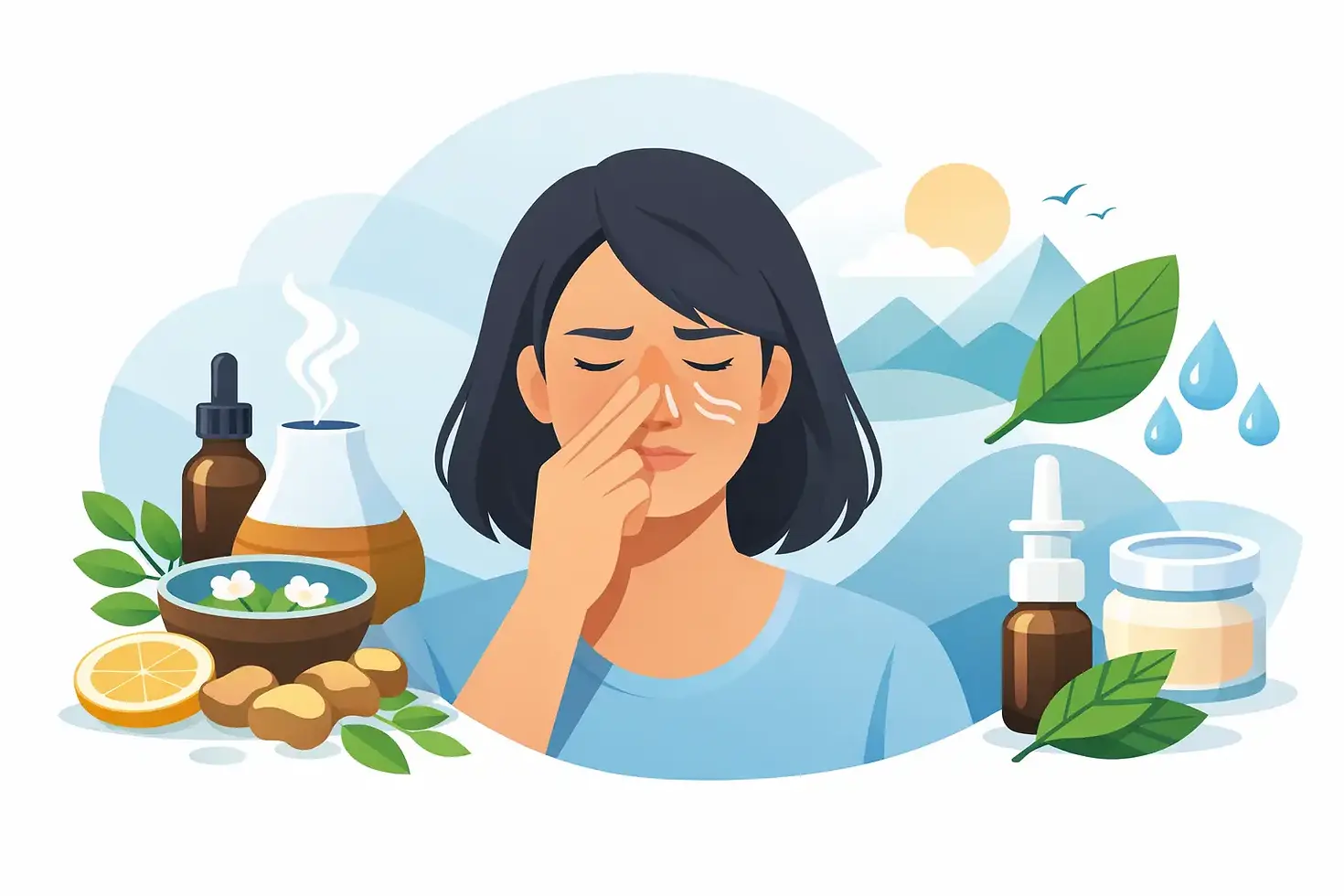
Natural Help for Nasal Congestion That Works
When your nose stays blocked for days, sleep gets lighter, your head feels heavier, and even simple things like exercise or concentrating at work can become harder. If you are looking for natural help for nasal congestion, the goal is not just to force the nose open for an hour. It is to calm irritation, improve drainage, and understand why the congestion keeps returning.
Nasal congestion is often treated like a minor annoyance, but for many adults it becomes a repeating cycle. Allergies, dry indoor air, sinus inflammation, post-viral swelling, and chronic sensitivity can all contribute. Some people feel stuffed up mostly in the morning. Others notice it after eating certain foods, during seasonal changes, or when stress and fatigue are running high. That pattern matters, because the best natural approach depends on what is driving the blockage.
What natural help for nasal congestion can actually do
Natural care can be very effective, but it works best when expectations are realistic. If you have severe bacterial sinus infection symptoms, a broken nose, or major breathing difficulty, home remedies are not enough. But when congestion is related to irritation, inflammation, dryness, allergies, or lingering sinus imbalance, natural support can make a real difference.
The main benefits usually come from three effects. First, natural methods can moisten irritated nasal passages so mucus moves more easily. Second, they can reduce the swelling that narrows the airways. Third, they can support overall regulation, especially when congestion is tied to immune stress, poor sleep, recurring allergies, or chronic sinus sensitivity.
This is where many people get stuck. They keep switching from one quick fix to another, but never address the environment, triggers, or body-wide patterns behind the problem.
Start with moisture and drainage
One of the simplest forms of relief is steam and humidity. Warm showers, steam inhalation, and using a humidifier can help loosen thick mucus and reduce that dry, tight feeling inside the nose. This tends to help most when congestion is worse in winter, after heating dries the air, or when the nasal passages feel crusted and irritated.
That said, more moisture is not always better. If your home is already damp, excess humidity can aggravate mold exposure and make symptoms worse. It depends on the environment. Moderate humidity usually feels best, while overly dry or overly damp air can both be irritating.
Saline rinsing is another helpful option. A sterile saline rinse can physically clear allergens, dust, and mucus from the nasal passages. Many people notice better breathing afterward, especially during allergy season or after being outdoors. The key is doing it gently and correctly. Water safety matters, and overdoing rinses can leave some people feeling even drier.
Warm compresses over the cheeks and forehead can also encourage sinus drainage. This is not a dramatic treatment, but it is low risk, comforting, and often useful when pressure is building.
Reduce what is feeding the congestion
If the nose keeps swelling shut, the issue is often not just mucus. It is ongoing irritation. Dust, pet dander, smoke, fragrances, cleaning products, and seasonal pollen can all keep the nasal lining reactive. For some people, dairy, alcohol, or heavily processed foods seem to worsen that heavy, boggy feeling, though food triggers are not the same for everyone.
Paying attention to timing helps. If congestion spikes at night, look at bedroom air quality, bedding, and whether dry heat is running. If it is worse after meals, reflux or food sensitivity may be playing a role. If it follows stressful periods or poor sleep, your body may be more inflamed and reactive overall.
Hydration matters too, but not in an exaggerated way. Drinking enough fluids helps thin secretions, especially when you are run down or recovering from a cold. It will not instantly clear your sinuses, but dehydration can definitely make congestion feel thicker and harder to move.
Traditional Chinese Medicine offers a broader view
From a Traditional Chinese Medicine perspective, nasal congestion is not only a local sinus problem. It can reflect patterns involving external wind, internal heat, dampness, lung function, digestion, or chronic weakness in the body’s defensive energy. That is why two people with the same blocked nose may need very different treatment approaches.
For example, one person may have congestion with clear mucus, fatigue, and frequent sensitivity to weather changes. Another may have thick yellow mucus, facial pressure, and signs of heat and inflammation. A third may experience chronic stuffiness that worsens with stress, poor digestion, and ongoing immune burden. In practice, these patterns are not treated as identical.
This individualized approach is one reason acupuncture and herbal medicine continue to appeal to people who want more than symptom masking. Rather than only trying to open the nose for the moment, treatment can aim to regulate the body systems that keep producing congestion.
Acupuncture as natural help for nasal congestion
Acupuncture is often sought by patients who have recurring sinus pressure, allergy-related stuffiness, or congestion that never fully clears after illness. In a clinical setting, treatment may focus on reducing inflammation, improving sinus drainage, supporting immune balance, and calming the body’s stress response.
Many patients are surprised that treatment does not always require heavy stimulation or a large number of needles. A more refined approach can still produce meaningful effects when the point selection is precise. This matters for patients who want natural care but are hesitant about aggressive treatment.
Acupuncture is not a magic switch, and results depend on the cause of your congestion. Structural problems, active infection, and severe allergy exposure may limit how much relief one treatment can provide. But for chronic sinus patterns, recurring nasal blockage, and congestion tied to broader imbalance, it can be a valuable part of care.
At Time Cure Clinic, this kind of treatment is approached through a specialized Traditional Chinese Medicine model designed to work with the body’s timing and meridian activity, with minimal needle use and low stimulation. For patients who want a non-pharmaceutical option that still feels clinically grounded, that approach can be especially appealing.
Herbal and lifestyle support
Herbal medicine has a long history in sinus and respiratory care, but it should be chosen carefully. The right formula depends on the pattern. Herbs meant to disperse cold-type congestion are not the same as herbs used for thick, hot, inflamed sinus presentations. Self-prescribing based only on internet descriptions can miss that distinction.
Simple lifestyle support often works best alongside treatment. Rest matters, especially when congestion follows illness. Gentle movement can help circulation and drainage. So can keeping the head slightly elevated at night. If symptoms are seasonal, starting supportive care before peak allergy periods may work better than waiting until you are completely blocked.
This is also where consistency wins. A saline rinse used correctly, cleaner bedroom air, better sleep, and individualized treatment usually do more than a random mix of remedies tried for one day at a time.
When congestion needs more than home care
Natural care has limits, and knowing those limits is part of good treatment. If you have facial pain that is intense or one-sided, thick discharge with fever, symptoms lasting far beyond a typical cold, recurrent sinus infections, nosebleeds, reduced sense of smell that does not improve, or major breathing difficulty, you should get evaluated. Structural issues such as polyps or a deviated septum can also keep congestion from resolving fully.
If you rely on medicated nasal sprays often, be careful. Some sprays can cause rebound congestion when used too long. People sometimes think their sinus condition is getting worse, when part of the problem is overuse.
Persistent congestion deserves attention because it affects more than breathing. It can disturb sleep, reduce energy, increase headaches, and make allergies feel much more disruptive than they need to be.
A better way to think about relief
The most effective natural help for nasal congestion is usually not one remedy. It is a combination of reducing irritation, improving moisture and drainage, and treating the deeper pattern that keeps the tissues inflamed. For some people that starts with simple home care. For others, especially those with recurring sinus trouble, a more individualized treatment approach makes the difference.
If your congestion keeps returning, listen to the pattern instead of fighting the symptom harder. Your body is often giving useful clues about what it needs next.


Comments